
Our question and method
What has actually been demonstrated when a report claims “more AI visibility”? On 19 November 2026, we compared public documentation from Google, Microsoft and OpenAI, looking for metric definitions, scope and limits.
- Method: Open official pages and compare the terms used.
- Material: Public search requirements and reporting definitions.
- Boundary: No series of model queries, client data or measured commercial outcome.
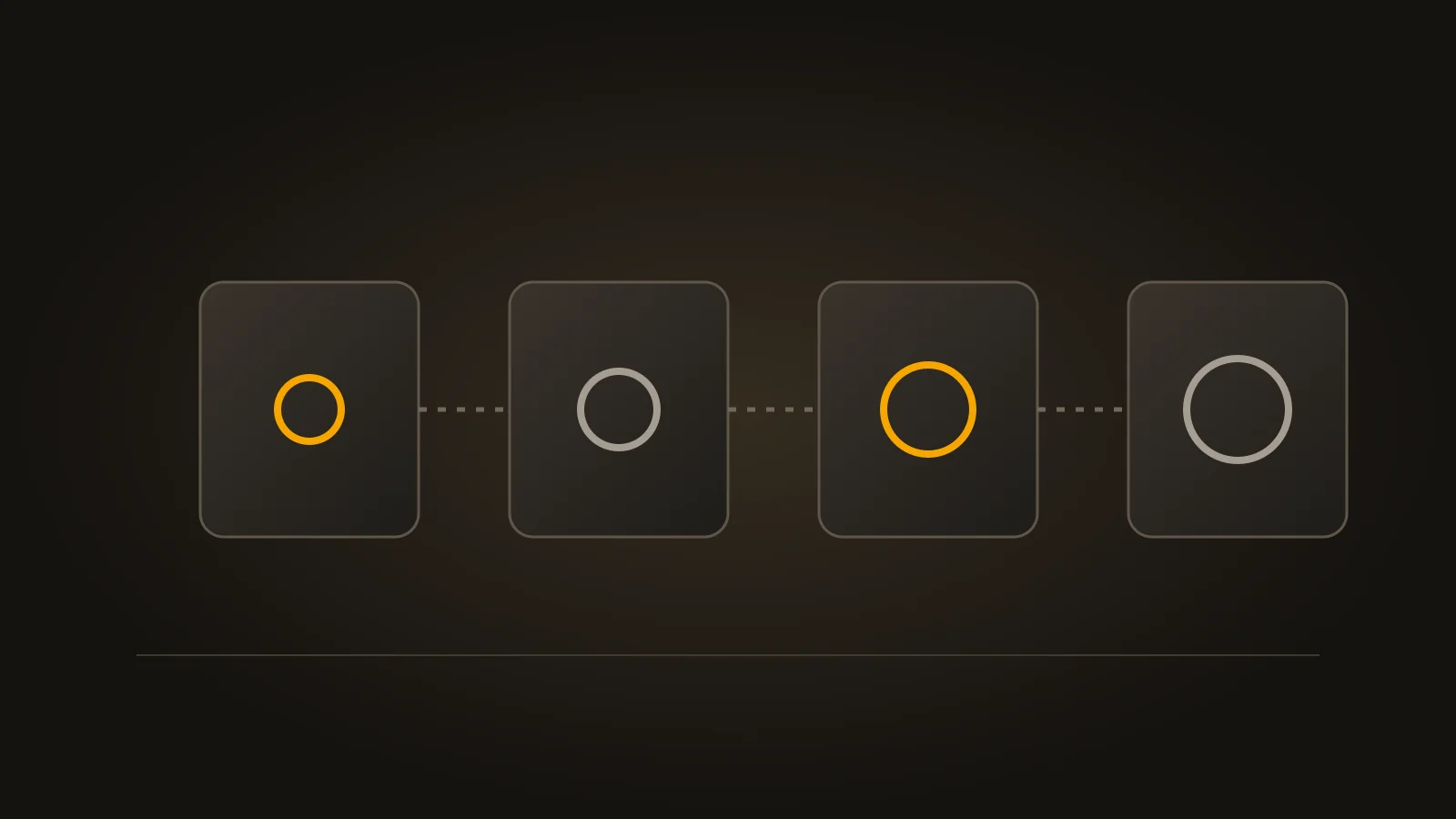
Four outcomes to keep separate
This is our interpretation framework, not a shared provider standard:
| Observation | What it establishes | What it does not establish |
|---|---|---|
| Mention | A name appears in a saved response | That your website supplied the evidence |
| Citation | A response links to a particular page | That anyone clicked the link |
| Visit | A measured page view was attributed to a source | That a relevant enquiry followed |
| Enquiry | A genuine contact was recorded | That one AI response alone caused it |
Our conclusion: a report should always identify the outcome it observed. Otherwise, a change is difficult to interpret.

What the providers document
Microsoft’s AI Visibility Insights announcement describes the preview metric Citation Share. Microsoft identifies it as an observational measure, not a ranking system or traffic share. We therefore do not treat it as market share across every AI service.
Google’s source dates matter. Its AI search documentation describes AI search traffic within Web performance reporting. A newer official post describes additional AI appearance insights; an update reports worldwide rollout by 31 August 2026. A blanket claim that Google offers no AI insights would be too broad. Actual data for a particular site still needs to be checked in its account.
OpenAI documents search and training crawlers separately. This explains access, but does not itself demonstrate a mention. Technical permission and an observed response are different outcomes.
How we would structure a sample
Our working proposal from this research:
- Choose questions in advance. Use real audience needs, not selected positive results.
- Record context. Service, language, time and available usage-context information.
- Save complete answers. Include citations and qualifications.
- Compare outcomes separately. Record missing mentions too; measure visits and contacts separately.
- Log changes. A different page, service or context limits comparison.

Limits of this research
This is an interpretation of public provider documentation. We did not independently validate reporting systems or measure a site’s visibility. The proposed sample is not a completed study.
- Coverage: These services do not represent the entire market.
- Time: Documentation and features may change after this date.
- Impact: A change over time alone demonstrates neither causation nor revenue.
Your next step
- Read the foundations: What your website needs for AI visibility.
- Bound the task: Tell us which question and page you want to investigate.
Frequently asked questions.
Is Citation Share a market share?
Microsoft describes an observation within the covered citation context. It does not establish general market share or visitor share.
Did this research test a client’s visibility?
No. It compares public documentation, without collecting a client visibility dataset.
Why is a before-and-after screenshot insufficient?
It shows selected answers, not a comparable collection method. Questions, context, missing results and other changes also matter.
Sources.
- Google: AI features and your websiteVendor / primary · As of
- Google: New opportunities, control and insights; Nachtrag 31.08.2026Vendor / primary · As of
- Microsoft: New AI Visibility Insights, 16.06.2026Vendor / primary · As of
All 4 sources
- OpenAI: Overview of OpenAI CrawlersVendor / primary · As of
Keep reading.
AI search visibility: what your website needs
How your website can become accessible to AI search: crawl access, useful answers and documented checks without ranking promises.

Is AI worth it for you? We measure it.
Find useful AI tasks, introduce existing tools, train your people and measure the actual benefit.

Tell us your task or goal
Describe a task or a goal. SolvraONE helps you assess whether and how AI could be useful.